

ENDOVENOUS RADIOFREQUENCY ABLATION
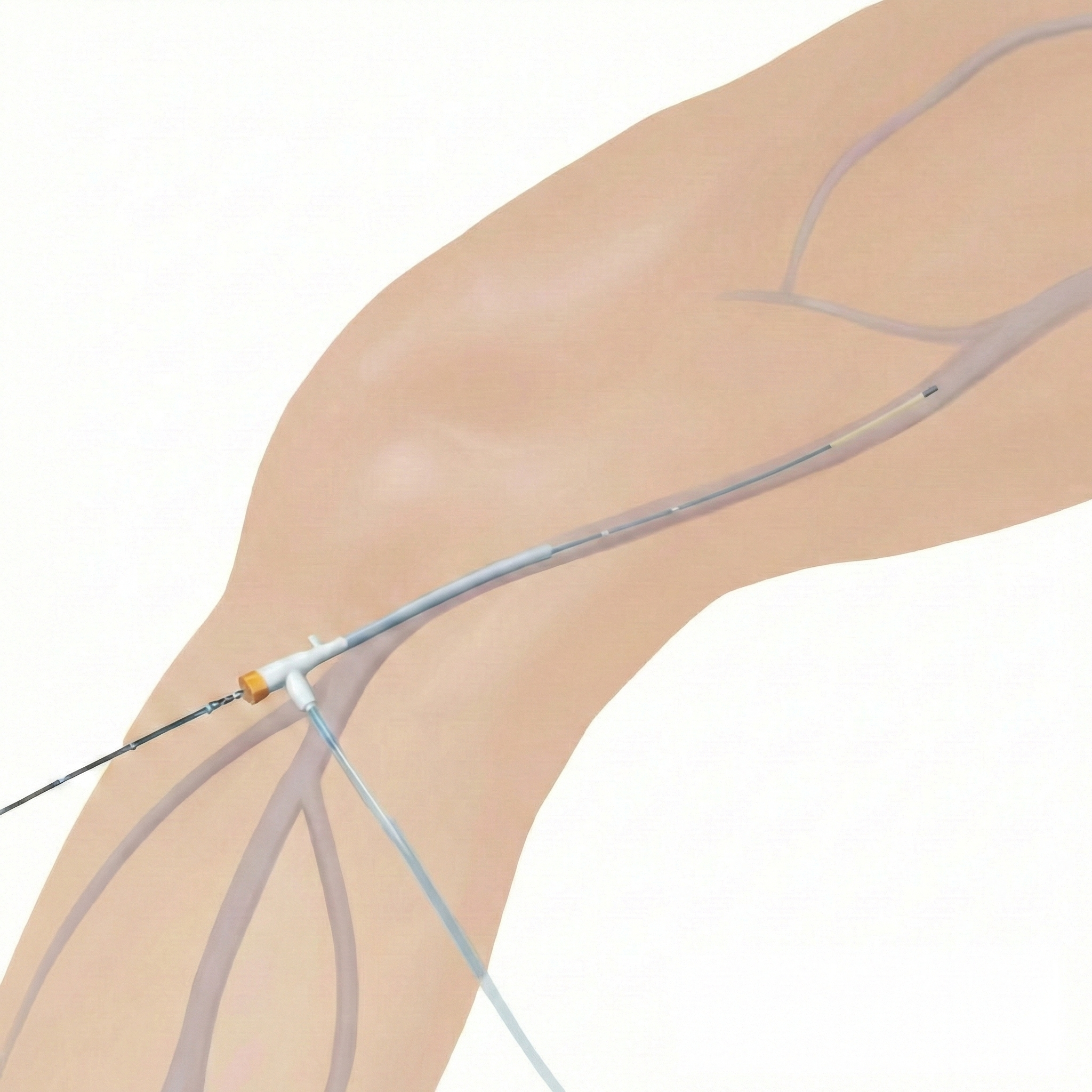
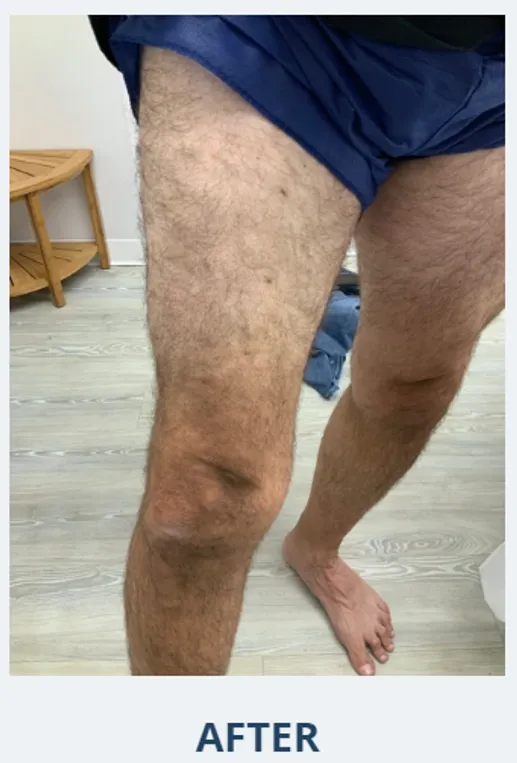
The greater saphenous vein is the longest superficial vein in the lower extremities. Over time, this vein can become unhealthy, resulting in bulging veins, aching, swelling, and leg fatigue. These and many other symptoms are due to reflux, or the backflow of blood, in the saphenous vein. At Solon Vein Clinic, we perform ablations utilizing the top technology in the field to close the damaged vein and redirect blood flow to healthy veins. Nowadays, endovenous ablations have mostly replaced the more invasive vein stripping surgeries of the past. Ablations are highly successful in eliminating an unhealthy saphenous vein, with a success rate of approximately ninety eight percent. This treatment may be the key to helping you lead the life you’ve imagined.
Vein Disease Symptoms
Below is a list of symptoms associated with venous disease, though many people have none and seek treatment for cosmetic reasons. We are happy to help make your legs look and or feel better. At Solon Vein Clinic, we will work with you to develop a treatment plan personalized for your legs!
Aching/pain
Cramps
Heaviness
Itching
Burning
Throbbing
Leg fatigue
Restless legs
Swelling
Skin changes or discoloration
Ulcers
Bleeding varicosities
FAQ
Chronic Venous Insufficiency
Veins have one-way valves inside of them that allow blood to travel back to the heart. Over time, these valves can weaken and malfunction, causing blood to pool in the veins. These distended, tortuous veins are called varicose veins and may cause symptoms described below. This process is known as chronic venous insufficiency.
Symptoms: Swelling, heaviness, aching, pain, cramping, restless legs, skin changes,
skin discoloration, varicose veins, or leg ulcers.
Risk Factors: Genetics, pregnancy, obesity, age, long periods of sitting or standing, injury to the legs, history of blood clots.
Treatment: The initial treatment for chronic venous insufficiency is usually conservative treatment that you can try at home. This includes wearing compression stockings to improve circulation, elevating your legs, and exercising regularly. If these measures are ineffective, an ultrasound of your legs may be necessary to diagnose reflux, or the backflow of blood, in your larger superficial veins. Your provider will work with you to determine the best treatment option for you.
Deep Vein Thrombosis
The body has a superficial and deep system of veins. Veins that you can see and become varicose veins are part of the superficial, whereas the deep system does the majority of pumping blood back to the heart. Deep vein thrombosis, or DVT, is a blood clot that forms within the deep veins and can be diagnosed with an ultrasound. It is a concern because a clot in then deep system of veins can travel to the heart, lungs, and brain. This puts the body at risk for a heart attack, pulmonary embolism, or stroke.
Symptoms: DVTs can be asymptomatic, however, typically a person with a DVT experiences redness, swelling, pain, and warmth to the area.
Risk Factors: Prolonged immobilization or bedrest, age over 40, recent surgery, obesity, smoking, varicose veins, and pregnancy.
Treatment: Deep vein thrombosis can lead to serious complications if left untreated. If you are diagnosed with a DVT, you will be prescribed a blood thinner and be closely monitored with further ultrasounds.
Lymphedema
The lymphatic system is responsible for removing waste and excess fluid from tissue all over your body. It is an important part of your immunity and keeping you healthy. When a blockage occurs or there is damage to the lymphatic system, it can cause a buildup of lymph fluid, or lymphedema.
Symptoms: Swelling of one or both legs.
Treatment: Treatment will be based on the severity of the disease and can include compression stockings, pneumatic compression, manual lymph drainage, or complete decongestive therapy. At Solon Vein Clinic we can help order diagnostic testing and refer you to the treatment best for you.
Superficial Phlebitis
Phlebitis is the inflammation of a vein, usually due to one or more blood clots in the vein.
When phlebitis occurs in the superficial system, there is a much lower risk of the more severe complications that occur with deep vein thrombosis. A sedentary lifestyle, smoking, obesity, pregnancy, and certain medications can put you at increased risk for developing blood clots.
Symptoms: Redness, warmth, tenderness, itching, and swelling.
Treatment: Apply a warm compress twice a day to the tender area for twenty minutes. If you can tolerate ibuprofen, take 400 mg of ibuprofen every eight hours for three days. It is also recommended to wear your compression socks daily until the symptoms have completely resolved.
Post-Thrombotic Syndrome
Post-thrombotic syndrome (PTS) can develop after a deep vein thrombosis. The previous clot causes inflammation and damages valves, which prevents blood from flowing properly. When blood flow is blocked, it increases intravenous pressure and causes blood to collect in the affected leg.
Symptoms: Leg pain, swelling, cramping, heaviness, dry/flaky skin, difficulty walking or standing, ulcers, and changes in skin pigmentation.
Treatment: Unfortunately, there is no way to effectively replace or repair damaged valves. However, symptoms can be alleviated by elevating your legs, wearing compression stockings, and exercise.
Spider Veins
Spider veins are small, dilated blood vessels close to the surface of the skin. They usually appear red, blue, or purple in color and can look like a bruise on your leg that doesn’t heal. You may have an increased risk for developing spider veins if you have a family history of spider or varicose veins, have been pregnant, are overweight, or spend extended periods standing or sitting.
Symptoms: Pain, aching, burning, itching, or they may be asymptomatic.
Treatment: Whether or not your spider veins are symptomatic, they can be treated with injection sclerotherapy or laser treatment.
Varicose Veins
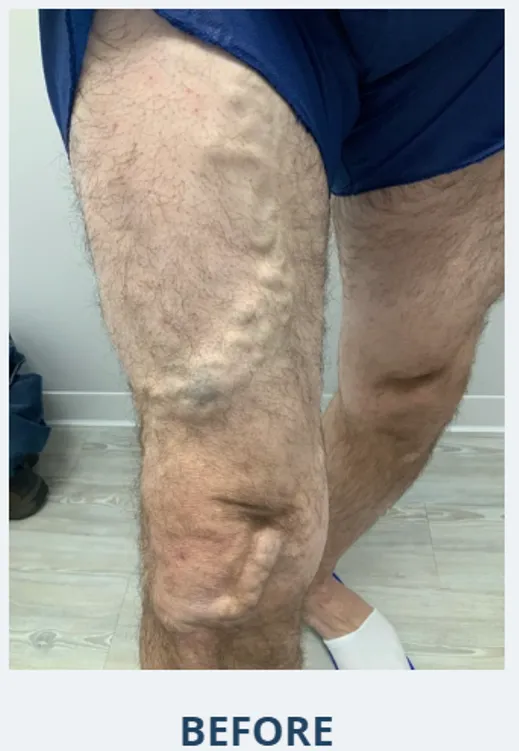
Varicose veins were once healthy and a normal size, but they become distended over time. This typically happens when the valves in your veins weaken and cause blood to backflow and collect in the vein. Varicosities are veins that are larger than normal, blue or green, tortuous, and may protrude through the skin. The same risk factors for spider veins put you at risk for developing varicose veins including gender, age, weight, family history, and lifestyle.
Symptoms: Large bulging and twisting veins, cramping, aching, pain, heaviness, leg fatigue, and swelling.
Treatment: Treatment depends on the size and symptoms of your vein. This may include sclerotherapy, Varithena, VenaSeal, phlebectomy, and ablation.
Venous Reflux
In a healthy circulatory system, blood in the veins flows in one direction, back to the heart. Valves make this happen by closing within the veins and preventing gravity from pushing blood backwards. When valves weaken over time, they do not close completely to prevent reflux and blood from pooling in the vein. Venous reflux can cause veins to become larger than normal and take up extra space in your legs, resulting in many of the symptoms below.
Symptoms: Cramping, heaviness, leg fatigue, restless legs, swelling, and varicose veins
Treatment: An ultrasound of the veins in your legs will help to diagnose venous reflux by assessing the size of the veins as well as the amount of reflux. Depending on the results of your ultrasound, the staff at Solon Vein Clinic will help to create a treatment plan to get rid of your symptoms. This may include an ablation, Varithena, or VenaSeal.
Venous Stasis Dermatitis
Venous stasis dermatitis is a skin condition that develops when poor circulation in the legs causes blood to pool in the veins. Increased pressure in the veins allows fluid and blood cells to leak into surrounding tissues, leading to inflammation and changes in the skin. Over time, this chronic venous insufficiency can cause the skin to become fragile, irritated, and more prone to infection or ulceration if left untreated.
Symptoms: Skin discoloration (red, brown, or purple), itching, dryness, scaling, swelling in the lower legs or ankles, skin thickening, and open sores or ulcers in advanced cases.
Treatment: Diagnosis typically includes a physical exam and an ultrasound to evaluate underlying venous disease. Treating the root cause of poor circulation is essential to managing venous stasis dermatitis. Depending on severity, treatment may include compression therapy, topical medications to reduce inflammation, and minimally invasive vein procedures such as ablation or VenaSeal to improve blood flow and prevent progression.
Venous Ulcer
A venous ulcer is an open wound that develops when prolonged venous insufficiency prevents blood from flowing properly back to the heart. Increased pressure in the leg veins damages surrounding tissue, causing the skin to break down and form a slow-healing wound, most commonly around the ankles. Without proper treatment, venous ulcers can become chronic and significantly impact mobility and quality of life.
Symptoms: Open sores near the ankles, pain or aching in the legs, swelling, skin discoloration, drainage from the wound, and slow or poor healing.
Treatment: Diagnosis usually includes a physical examination and an ultrasound to assess underlying vein disease. Effective treatment focuses on improving circulation and promoting wound healing. This may include compression therapy, wound care, and minimally invasive vein treatments such as ablation, Varithena, or VenaSeal to address the underlying venous insufficiency and reduce the risk of recurrence.
TESTIMONIALS
I have been a patient at the Solon Vein Clinic for a few years and underwent different procedures with both doctors and staff. I am very pleased with the professionalism, care, attention and responsiveness I received at every visit. I am always happy to recommend this clinic and will be back in the future for all my vein needs.

This is such an amazing staff all around! We are so blessed to have met all of them, even though it was under a stressful health emergency. The doctors, nurses, office staff are A+++. We highly recommend the Solon Vein Clinic to anyone who need this service. Thank you for being amazing!
Such lovely staff. The office is peaceful, and the doctor is attentive and kind.
Dr Alvarez-Tostado is an amazing doctor. I credit him with saving my feet. I had an ulcer that would not heal. With his persistence and dedication my wound finally healed. He also helped me quit smoking. He is very kind and really cares about his patients. Thank you Dr. Alvarez-Tostado!
Excellent physician! Highly recommend Solon Vein!
I had varicose veins that had been causing me pain, but two hospitals had said they wouldn’t treat me because it wasn’t covered by my insurance. Solon Vein Clinic was welcoming and listened to my concerns. They provided treatment options right away and had outstanding follow-up visits and care. I now live pain free!
I’m thrilled with the results of my sclerotherapy procedure! From my first appointment, I felt comfortable with my treatments. Everyone was incredibly friendly and made me feel at ease. I’m so glad I found the Solon Vein Clinic and would definitively recommend them to everyone.
Very professional & friendly.
Everyone is super nice and welcoming! After several treatments my spider veins have improved immensely with the expert care I received. I can’t be more thankful for the careful attention I received. I was listened to and achieved the desired results quickly given the fact I had a lot of spider veins.
I have had vein problems for 20 years. The staff at Solon Vein Clinic have been helpful and patient throughout the treatment process. I highly recommended this office.
I can’t say enough wonderful things about the Solon Vein Clinic! From the office girls to the doctor, everyone is fantastic! Dr Alvarez-Tostado really takes his time to assess and treat my veins and for the first time in years, I was able to wear shorts confidently. I would definitively recommend.
Thank you for thorough exam and communication. Friendly also.
CONTACT US
440-771-1731
Monday-Friday: 8:30 am - 5:00 pm
Saturday & Sunday: CLOSED
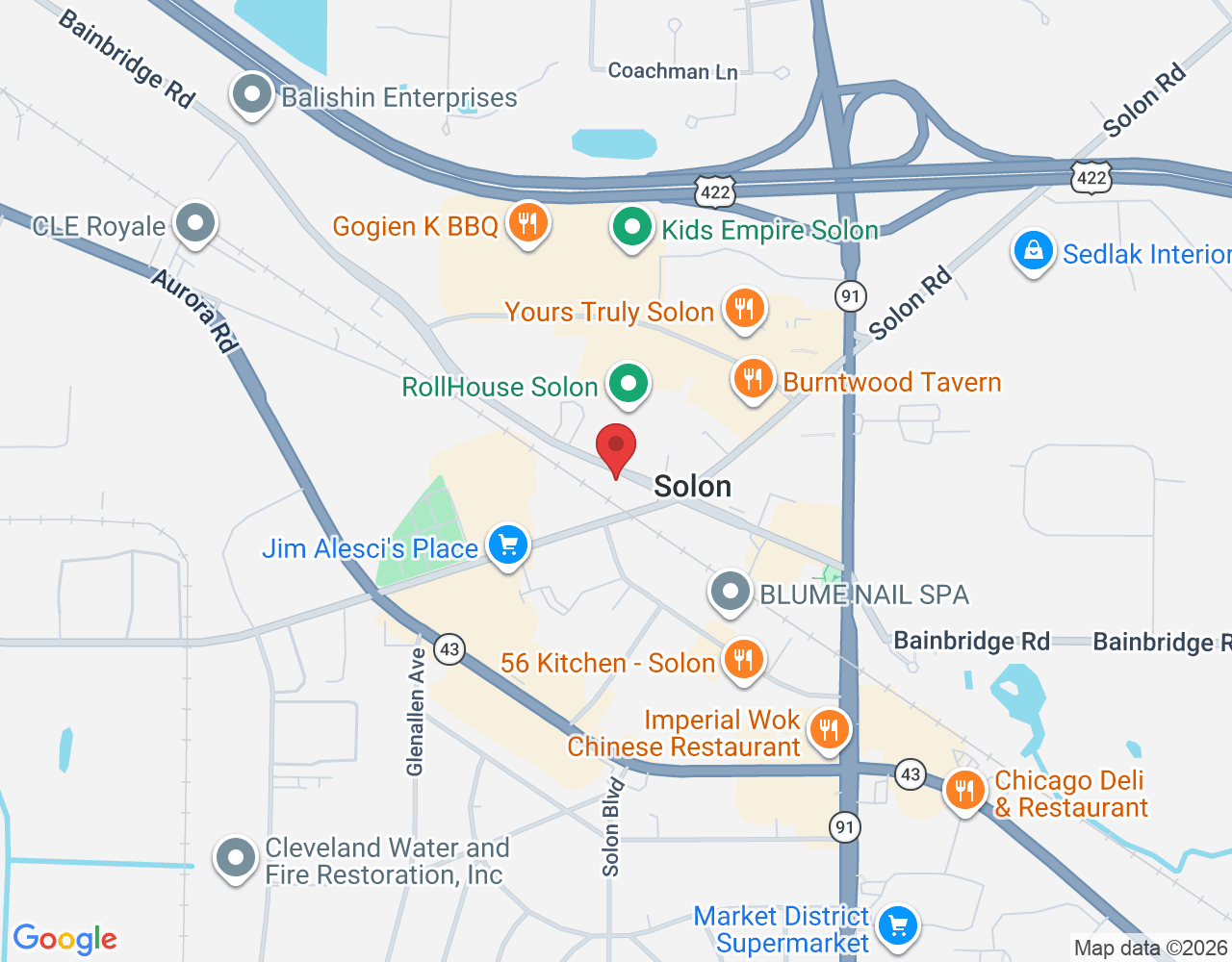
33290 Bainbridge Rd Solon, OH 44139